Steam-era experiences
Steam operation makes mechanical work visible. Preparation, water facilities, servicing and crew practice are part of the railway’s operating context. The experience can include smoke, sound and heat. Conditions vary by locomotive, weather and carriage position.
Steam does not automatically mean a longer or more scenic journey. Some services are short demonstration runs. Others form part of a route with several stations. Confirm the current service description rather than relying on a general heritage label.
Historic diesel and electric stock
Diesel railcars and locomotives can represent a different phase of railway history. They may connect with branch-line operation, regional passenger service or industrial use. Electric heritage stock adds overhead equipment, substations and control systems to the story.
These trains may offer a quieter cabin and more frequent movement between vehicles, but this is not universal. Interior layouts differ. Check seating, toilets, boarding arrangements and permitted luggage with the operator.
Carriages, seats and journey length
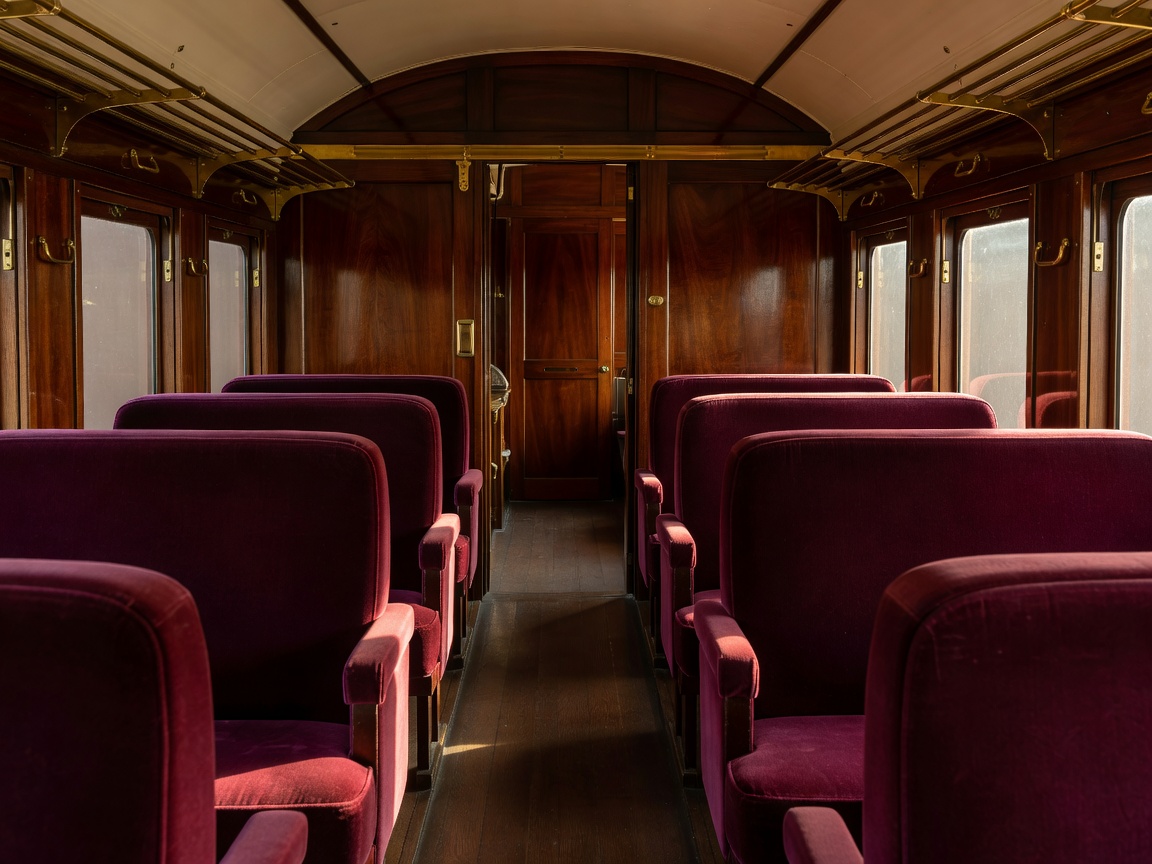
Restored carriages may retain compartments, open saloons, wooden seating or mixed layouts. A period interior can be valuable interpretation, but it may not match modern expectations of space or accessibility. Some trains provide reserved seating; others use open boarding. Current rules can change.
Journey length matters. A short shuttle suits a station or museum visit. A longer route needs food, toilet and connection planning. Build in time at termini where stock may be prepared or detached.
Seasonal operation and interpretation
Heritage railways often operate according to volunteer availability, maintenance requirements, events or seasonal demand. Operating patterns can therefore differ from the daily service of a modern railway. Official calendars are the reliable source for current dates.
Good for
- Comparing mechanical and passenger experiences.
- Visitors interested in carriage interiors and railway craft.
- Planning a journey around a particular stock type.
What to know
Do not enter cabs, workshops or sidings unless staff provide access. Follow platform instructions. Smoke, steps, narrow corridors and uneven boarding may affect comfort. Confirm accessibility before booking.