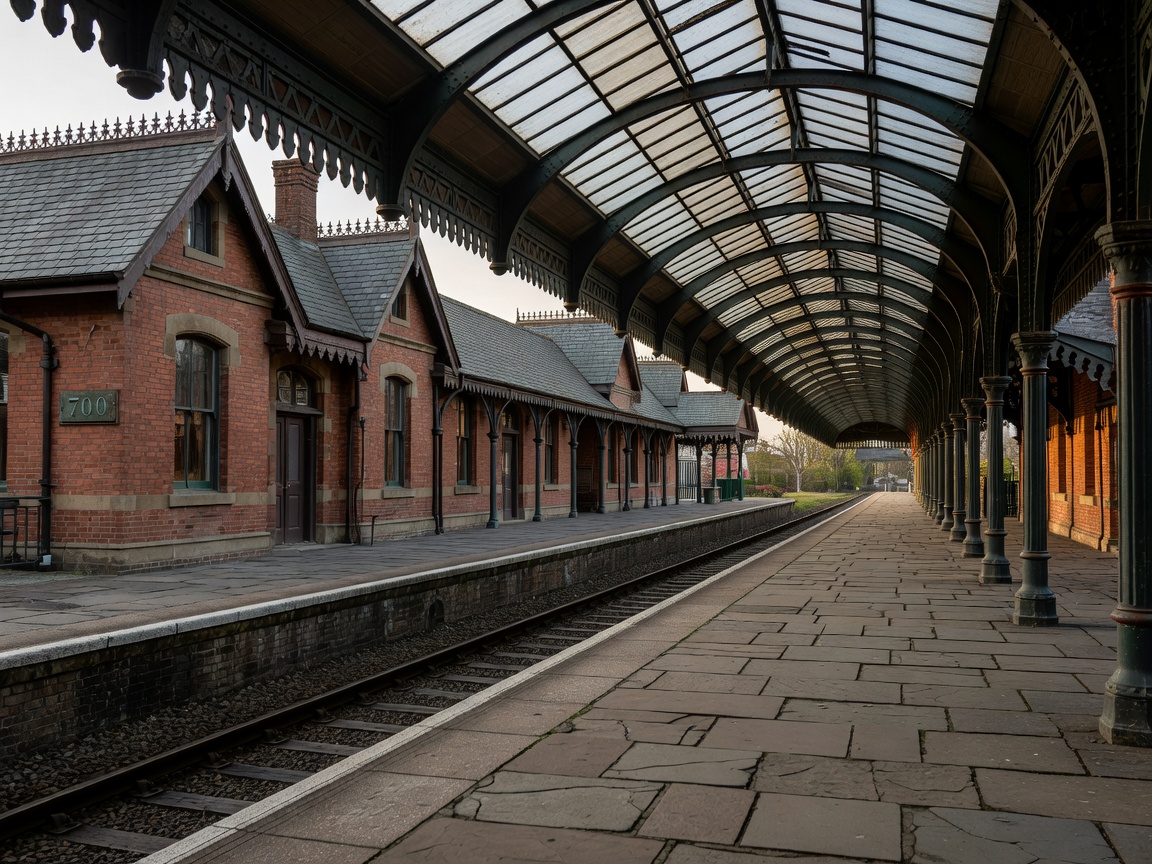
Station architecture
Start with the platform. Its height, surface, canopy and edge markings reveal the needs of the railway and its passengers. Main buildings may include booking rooms, waiting areas, offices and goods functions. Smaller halts can be equally important because they show how local access was organized.
Look for materials and repeated details. Brick, stone, timber, cast iron and painted signs can connect a station to a wider regional building tradition. Interpretation panels may distinguish original fabric from later restoration.
Signals and control
Signal boxes make railway movement legible. Levers, block instruments and sightlines connect the box to points, signals and crossings. A preserved signal box may be open only at particular times or under guided access. It is not a space to enter independently.
Modern safety systems may coexist with historic equipment. Do not assume that a preserved appearance means the railway is operating exactly as it did historically.
Depots, workshops and water facilities
Railway operations required maintenance. Depots and workshops supported inspection, repair and preparation. Water towers, coaling arrangements, ash pits and stores supported steam-era work. Diesel and electric systems created different servicing requirements.
These areas can be active workplaces. Visitors should remain behind barriers and follow staff directions. Photography may be restricted for safety or operational reasons.
Bridges and interpretation
Bridges reveal the relationship between railway and landscape. Their form, alignment and materials can explain the route’s construction constraints. Interpretation is strongest when it links an object to a task: signalling, loading, watering, boarding or maintenance.
Good for
- Architecture and engineering study.
- Visitors who prefer museums and station complexes.
- Understanding the work behind a train journey.
What to know
Station access can include uneven surfaces, steps and restricted areas. Check official visitor information for current opening arrangements. Use marked crossings, public paths and designated platforms only.